1. Let responders lead
Fire and emergency crews handle the immediate danger. Cleanup begins only when responders say the scene is safe to enter, and the team asks what they found.
Trinity / Houston Gardens, Houston, TX · Harris County
Property owners in Trinity / Houston Gardens call (877) 812-4220 when a spill reaches pavement, soil or a drain. The cleanup team places barriers, removes contaminated material and packs the waste by type.
If anyone is in danger, call 911 first. For a suicide crisis, call or text 988.
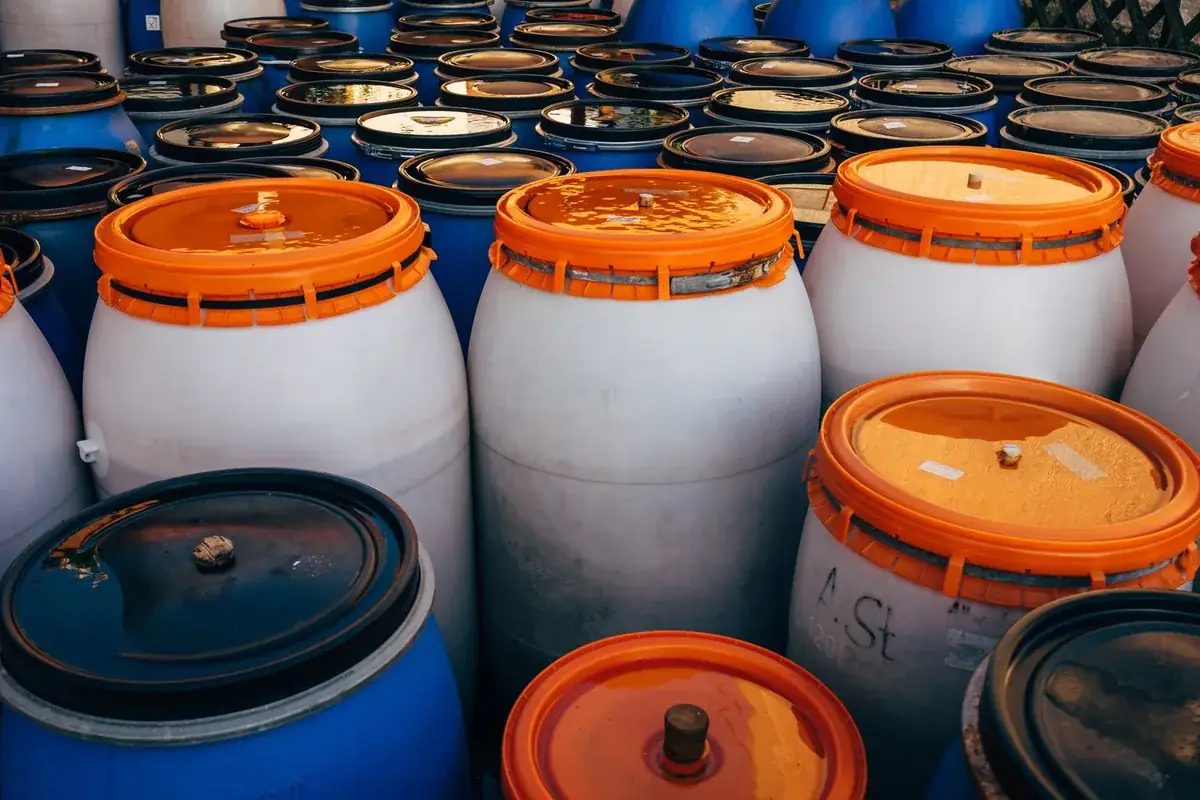
Hazmat equipment cleaning is the decontamination of tools, gear, vehicles and machinery that touched a hazardous material. Items that cannot be cleaned to a safe condition are packed and disposed of.
When your Trinity / Houston Gardens property needs hazardous clean up, you get a team with the gear, absorbents and containers to finish the job. Call Trinity / Houston Gardens Biohazard Cleanup Help in Harris County for plain answers and clear documentation.
Trinity / Houston Gardens receives about 54 inches of precipitation a year, and rain can wash spilled fuel and chemicals into ditches, drains and yards. After a hazardous release in Trinity / Houston Gardens, anyone with symptoms may be taken to St Joseph Medical Center in Houston, while a cleanup team works on the site.
The work often covers:
Fire and emergency crews handle the immediate danger. Cleanup begins only when responders say the scene is safe to enter, and the team asks what they found.
Flammables, corrosives, poisons and oxidizers are separated. Anything leaking is packed in secondary containment right away.
Stained concrete, soaked soil and contaminated surfaces are cleaned or removed. Tools are decontaminated or disposed of after use.
Tools and surfaces are cleaned or discarded, waste is packed and the owner receives a summary of what was done.
Hazmat cleanup in Trinity / Houston Gardens, Houston, TX typically costs $4,000 to $40,000, depending on the size of the affected area and the materials involved.
Access, distance and timing matter. Remote sites, locked yards and after-hours response can raise the total, so tell the crew about access when you call.
| Type of job | Typical range |
|---|---|
| Initial cleanup and containment | $6 - $20 per square foot |
| Small to mid-size spaces | $4,000 - $40,000 |
These ranges come from published cost guides (One and Done Prep) and are not a quote for Trinity / Houston Gardens. Price drivers include type of contaminant, square footage, containment setup, waste disposal. For a real number, call (877) 812-4220.
Try the Trinity / Houston Gardens Biohazard Cleanup Cost Calculator →
Biohazard usually means materials that carry germs, such as blood and body fluids. Hazmat means materials that are dangerous in other ways, such as chemicals, fuels and gases. Some jobs involve both. A local team can explain which applies to your situation.
Do not pour them down a drain or put them in the trash. Keep them in their original containers, away from heat and children, and have a cleanup team collect anything leaking or unknown. Waste must go to a facility that can accept it.
Many jobs take part of a day to a few days. A small spill may be quick. A large release, a soaked site or many unknown containers take longer, and waste pickup can add time. A local team can give a better estimate after seeing the site.
Keep people away and call 911 if there is danger. Cleanup teams place barriers and absorbents to stop the spread and remove contaminated soil or materials where needed. Local fire and health officials can say what must be reported.
Yes. Many calls come from managers who find chemicals or leaking containers in a vacated unit. The lease and local law decide who pays, and the crew can provide photos and records.
Do not open, move or smell them. Keep people and pets away and take photos from a safe distance. You can get a cleanup team to identify the contents, sort them by hazard and set up lawful disposal.
See all biohazard cleanup services in Trinity / Houston Gardens, Houston, TX →
Describe the spill by phone and the team explains the next safe step.
Call (877) 812-4220